
A solid bookkeeping system will allow content creators to manage their budgets and plan for future projects. Content creators face challenges unique to them, such as fluctuating income from multiple streams, like brand partnerships, affiliate marketing, and merch sales. If bookkeeping feels overwhelming or you’re unsure about taxes, outsourcing to a bookkeeper can save time, prevent mistakes, and maximize tax deductions. Even if you don’t receive a 1099-NEC from a brand or platform, you’re still required to report all income earned as a content creator. In this guide, we’ll walk you through some important tips to keep your bookkeeping for content creators organized and compliant.
Basic Accounting Tools and Software for Content Creators
Whether you do it manually or use one of the available accounting tools, keeping financial records is essential. Without financial records, you have no way to prove what you spent, what you earned, who you paid, etc. Keeping a detailed financial record will ensure you are getting every deduction possible. Content creators have many choices when it comes to setting up a business.
Influencers Gone Wild Meet Your Accountants
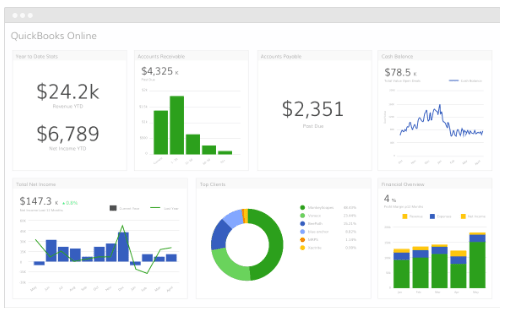
With a variety of income streams, tax obligations, and expenses, it’s essential to adopt a solid accounting strategy. Whether you’re a blogger, YouTuber, or influencer, understanding accounting for content creators can help streamline your financial process and optimize tax deductions. Using the right bookkeeping tools can save time, reduce errors, and provide valuable insights into your business finances. Consider Bench, an online bookkeeping service designed to meet the unique needs of small business owners and content creators. Our accounting for content creators how is sales tax calculated uses simple tools, clear dashboards, and real human support whenever you need it.
How Do Content Creators Make Money?
Proper accounting for the creation, maintenance, and protection of these assets is unique to this sector. The internet makes it easy to have a global audience, which means you might earn income from sources outside the U.S. It’s important to know that as a U.S. citizen, you must report all your income to the IRS, no matter where it was earned. This includes payments from international ad networks, brand deals with foreign companies, or sales to customers overseas.

Accounting Tips for Content Creators: How to Stay Profitable and Organized
- However, even if you earned less than $600, you still need to submit a return.
- As one of the UK’s leading content creator accountants, we go beyond the numbers.
- If you’re in the early stages of content creation and want a free, beginner-friendly accounting solution, Wave2 is one of the best no-cost options available.
- Some ordinary and necessary expenses may be non-deductible, such as expenses used to calculate the cost of goods sold and capital and personal expenses.
- And as a business owner, don’t be afraid to lean on tools or professionals when things get more complex.
Next, get honest about your risk tolerance—how comfortable are you with market fluctuations? From there, you can build a diversified portfolio of stocks, bonds, and other assets that aligns with your goals. Diversification simply means not putting all your eggs in one basket, which helps manage risk while capturing growth. Before you can tackle your taxes, you need to be clear on what the IRS sees when it looks at your creator work.
Which accounting software is best for content creators?
Paying taxes and managing the financial aspect of a business can be overwhelming. Gurian CPA is a Dallas-based tax accountancy and business advisory firm that was founded to fill a void in the accounting area. Cookie Finance is an all-in-one business formation, tax, bookkeeping, and accounting service provider. It was designed for accounting firms and businesses aiming to streamline the billing and invoicing process. With its own AI tool, ClickUp has set itself up as one of the best productivity platforms at present. These tools are essential to automating bookkeeping and invoice processing and reducing human error, resulting in hassle-free accounting.
- Content creators and influencers aren’t just building brands—they’re building businesses.
- Want an accountant in your back pocket at all times that you can actually feel comfortable reaching out to without fear of being charged for each and every question you ask?!
- It’s better to seek professional advice than to assume an expense is deductible and face potential issues later with the IRS.
- We start with a quick 30-minute call to get to know you, your content, your income streams, and your business goals.
- It’s tempting to see gifted products as just perks of the job, but if they’re given in exchange for content, the IRS considers them income—and that means taxes.
During slower months, this fund can also serve as a cushion to cover essential business or personal expenses without going into debt. Think of it as your “peace of mind” fund that protects you from financial surprises. Accounting 101 for content creators might not be particularly exciting, but it’s an essential part of running a successful business and of your journey as a content creator.
- From quarterly planning to full bookkeeping—we handle the numbers so you can focus on creating.
- Designed with simplicity in mind, it’s perfect for freelancers and creators who are just starting out or managing limited revenue streams.
- You likely use several tools and subscriptions for your content — editing software, graphic design platforms, music licenses, and maybe even team collaboration tools.
- Content creators must prioritize proper accounting and documentation to protect their earnings and ensure IRS compliance.
- By being organized, you don’t have to worry, and it also frees you to do more on the content that can actually relate to your audience.
- A mistake a lot of digital creators make in their bookkeeping is only jotting down the money they end up with after fees from payment processors get taken out.
- Consider Bench, an online bookkeeping service designed to meet the unique needs of small business owners and content creators.
Irregular income
These can help you categorize income and expenses, see your financial health at a glance, and make tax time less stressful. It takes working with a professional who understands the industry accounting for content creators to set up their financial tracking so income can be sorted into their appropriate revenue streams. Remember that taxes can take a significant bite out of your income. Work with a tax professional to understand your obligations, explore deductions, and plan for quarterly tax payments if applicable. That’s why, keep receipts and record every expense, no matter how small, and categorize it accordingly. With the help of a bookkeeping professional and accounting software, you can easily set up automation flows to track and accurately categorize these expenses.
Work With Tax Professionals
With the right systems and support though, it can show you things you never knew about your business. If you’re looking to DIY at first there are also a few free software options available. To substantiate deductions, maintain contracts, invoices, and documentation showing the business purpose. Structure your creator business properly with https://snakeinthegrass.net/making-business-banking-and-payments-effortless-2/ LLC formation, S-Corp election, and ongoing compliance.
Bookkeeping tips for content creators and influencers
If a brand expects promotion in exchange for a product or trip, the fair market value of those items is considered taxable income—but you may also be able to deduct related expenses. That said, running an LLC or S-corp comes with more admin—filing reports, keeping financial records, and potentially hiring an accountant. But for higher-earning creators, the tax savings and legal protection can make it worth it. Staying organized throughout the year and planning in advances saves you from tax and compliance troubles down the road. Working with an accountant makes tax payments predictable and manageable. Without proper planning, creators often overpay or underpay taxes—leading to penalties, cash-flow issues, or audit risk.